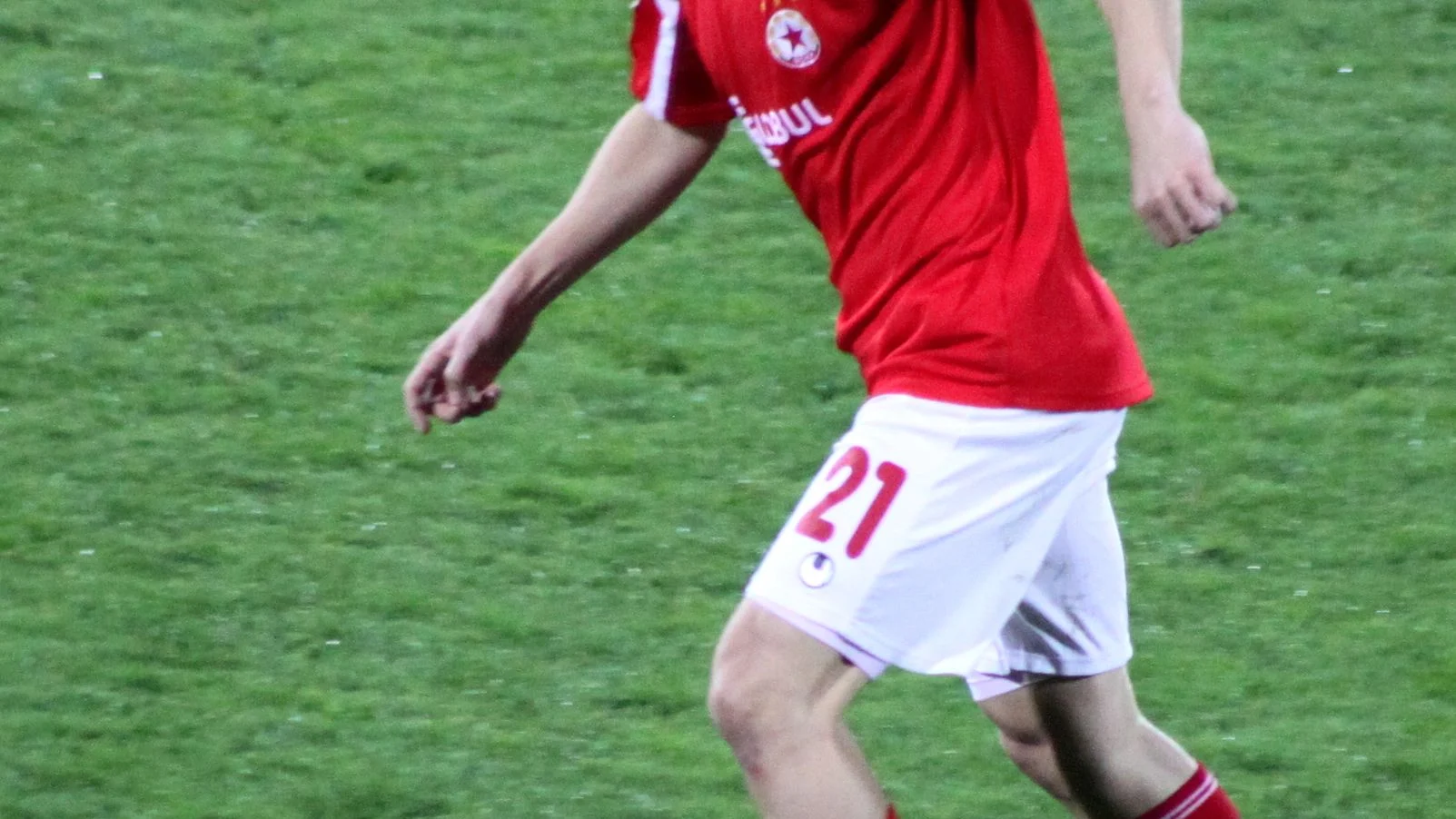
A holding midfielder sits in front of the centre-backs and protects the central area, according to the sourced descriptions behind this guide. This holding midfielder role explained piece sets out what those descriptions say about the job in and out of possession, and where it is used: the 4-4-2 diamond, 4-3-3 and 3-4-3 shapes.
It also draws a clear line. No dated lineups, match events or statistics for specific games were supplied for this article, so it makes no claims about individual players, pass counts, pressing numbers or heat maps. Where the text offers an opinion, it is labelled as the publication’s view. The only study cited is a UEFA Euro 2024 analysis of 544 player observations across 13 positional roles, and only its abstract-level details have been read.
Quick answer: A holding midfielder sits in front of the centre-backs and protects the central area, and sourced descriptions say the role is used in 4-4-2 diamond, 4-3-3 and 3-4-3 shapes. In possession the role is described as holding position, recycling possession and covering counter-attacks. This piece has no dated lineups, match events or statistics for specific matches, so match-level claims are not made.
Where the holding midfielder sits in the shape
The holding midfielder is the deepest of the central midfielders, the player who stands directly in front of the centre-backs. According to Guide to Football, the job there is to protect the central area. That is a description of a role, not a finding from any particular match, and nothing below is drawn from a lineup or event feed.
Sourced explainers link the role to three shapes. SportsDunia, in a page dated 23 September 2025, lists the 4-4-2 diamond, the 4-3-3 and the 3-4-3 as formations that use a holding midfielder. The page is a general guide and does not tie the list to any team or competition.
Same job, different geometry
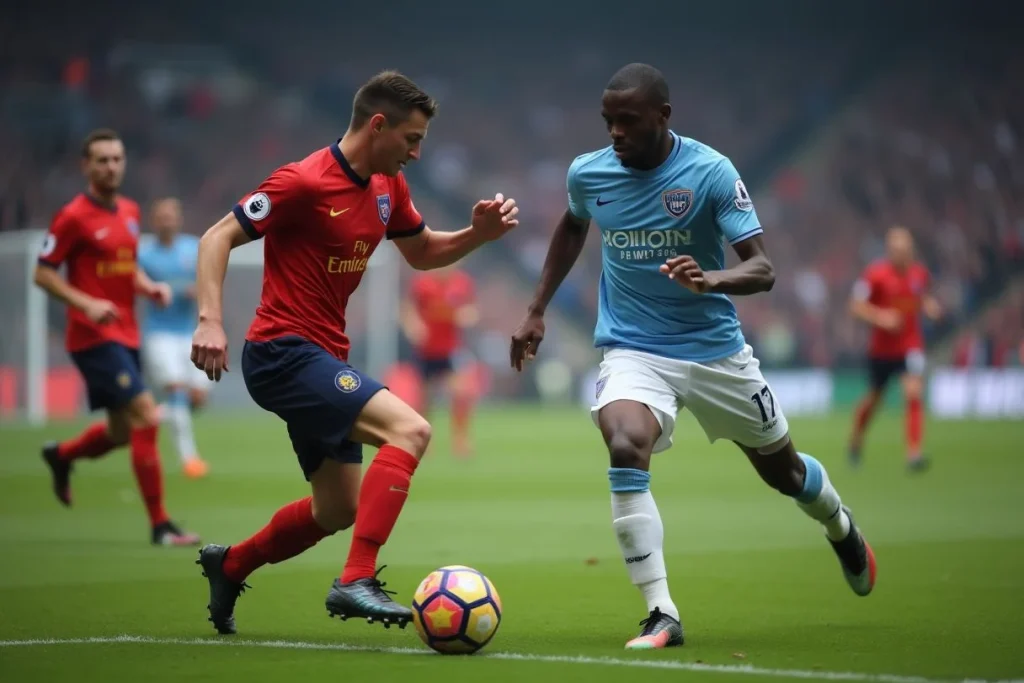
In our view, the three shapes put the player in different surroundings, even if the label stays the same.
- 4-4-2 diamond: the holder is the base of the diamond, with two central midfielders on either side and a more advanced player ahead. The back four sits behind.
- 4-3-3: the holder is the single pivot at the bottom of a midfield three, with two others ahead and wider.
- 3-4-3: the holder usually operates in a central pairing in the four-man midfield, with three centre-backs behind.
These placements follow from the shape of each system. They are not measurements, and the sources supplied give no distances or average positions.
Formation labels also vary between sources. A team described as 4-3-3 in one account may be written 4-1-4-1 or 4-5-1 in another, depending on how the writer treats the deepest midfielder. A role cannot be read off the numbers alone.
The Euro 2024 running study (ncbi.nlm.nih.gov) shows how researchers handle this. It assigned positions from video, average position and formation, and it analysed 544 player observations across 13 positional roles, counting only players who completed the full match. That is a reminder that role assignment involves judgement, and that any later match evidence in this piece would need the same care.
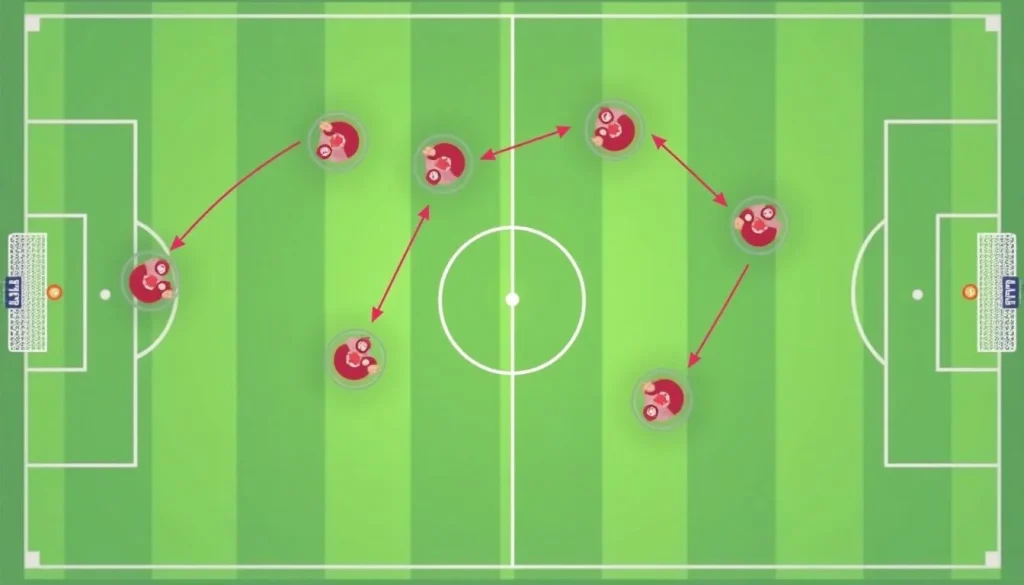
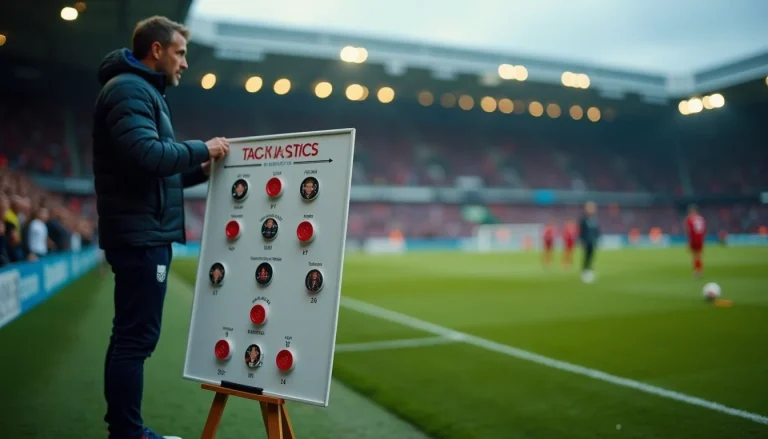
Editorial illustration: a labelled diagram showing the holding midfielder’s starting zone in the 4-4-2 diamond, 4-3-3 and 3-4-3. It is a schematic and does not depict a real match or team.
What the holding midfielder does with the ball
Sourced descriptions of the holding midfielder’s work on the ball are short and consistent. According to Guide to Football, the role in possession is to hold position, recycle possession and cover counter-attacks. That is an editorial description from a tactics guide, not a measurement, and the page is undated. Nothing in the data supplied for this piece records how often any player does these things.
The three duties are linked. Holding position gives teammates a reliable central outlet. Recycling possession means taking the ball back from a defender or a wide player and passing it on, often to a different part of the pitch, so that the move continues instead of breaking down. Covering counter-attacks means that while the team attacks, the holding midfielder stays near the centre of the pitch to meet any turnover. In our view, that last duty explains why the role is judged as much by where the player stands as by what he does with the ball.
How far forward does the role move?
In general terms, the answer is not far. SportsDunia, in a page dated 23 September 2025, says the role appears in 4-4-2 diamond, 4-3-3 and 3-4-3 shapes. In each, the holding midfielder starts in front of the centre-backs, and the covering duty described above implies a limited range of forward movement. That is an inference from the sourced description, and no positional data for specific matches is stored here, so no distance or average position can be given.
What the Euro 2024 running study can and cannot tell us
One source could, in principle, put numbers on the question. A study published on the NCBI PubMed Central archive set out to establish reference values for the match running performances of 13 positional roles at UEFA Euro 2024. It analysed 544 player observations, counted a player only if he completed the full match, and assigned positions using video, average position and formation, according to the paper’s abstract.
Only the abstract-level material has been read for this article, and its figures have not been checked against the full paper. For that reason no distances or speeds are quoted. They should be added only after verification, and even then they describe running load by role, not passing patterns.
How the holding midfielder defends the centre without a set press
The sourced description of the holding midfielder’s defensive job is simple. According to Guide to Football, the player sits in front of the centre-backs and protects the central area. That is a statement about position and responsibility, not about how often the player tackles, intercepts or presses, and the sources reviewed do not supply those counts.
The same logic applies to pressing. The sources reviewed contain no match-based pressing evidence for this role: no pressing sequences, recovery locations or pressures per match. We therefore give no numbers and refer to no heat maps. What can be said in general terms is that a player stationed centrally in front of the back line is positioned to guard the space the centre-backs would otherwise have to cover alone.
Press and block: the publication's description
In our view, this positioning shapes how a team defends in two ways. When a side presses high, the holding midfielder is the natural anchor behind the pressing line, the player whose position keeps the middle of the pitch covered if the first wave is bypassed. When a side drops into a mid or low block, the same player is the reference point for compactness between midfield and defence. Both are descriptions of the role’s logic, not findings from matches.
The sourced formation link points the same way. SportsDunia, in a page dated 23 September 2025, says the role is used in 4-4-2 diamond, 4-3-3 and 3-4-3 shapes. Each of those has a midfielder placed at the base of the central area, though this piece does not claim how any specific team used that player.
How it differs from a box-to-box midfielder
The sources reviewed do not offer a sourced, data-backed contrast between the two roles, so what follows is our description rather than a finding. A box-to-box midfielder is defined by covering ground between both penalty areas. The holding midfielder, by the sourced definition above, is defined by staying in front of the centre-backs and protecting the centre. One role is built around range, the other around position.
The Euro 2024 positional-role study (13 roles, 544 player observations) could in principle test that distinction through running data. Only its abstract has been read here, so no figures are drawn from it.
Transitions: what the available evidence can and cannot show
Sourced descriptions of the holding midfielder tie the role to transitions in one specific way. Guide to Football describes the player as someone who holds position, recycles possession and covers counter-attacks. That is a description of duty, not a measurement. It says what the role is meant to do when possession is lost, not how often or how well any player does it.
No match event data is stored for this piece. It therefore cannot report transition sequences, turnover counts, recoveries after a lost ball or the distance a holding midfielder travels in the seconds after a turnover. Naming a match, a player or a number here would be invention, so none is offered.
What data would test the claim
The arXiv paper “Distinguishing Between Roles of Football Players in Play-by-play Match Event Data” points to the kind of material required. According to that source, the input is play-by-play event data: a time-ordered record of what happens in a match, such as passes and other on-ball actions, tied to the players involved. Only the title and its stated subject have been used here, and no findings from the paper are reported.
In our view, a fair test of counter-attack cover would need three things from data of that kind:
- The moments when a team loses the ball, identified from the event record.
- The actions that follow in the next phase, and which players perform them.
- A comparison between players labelled as holding midfielders and those in other central roles, using the same definitions.
Running data would add a second layer. The Euro 2024 study of 13 positional roles, which covers 544 player observations, measures physical output by role, but its abstract does not show how that output behaves in transition. Until dated lineups and event data are supplied, the cover claim stays a sourced description, not a demonstrated pattern.
Our view: the role is best judged by its duties, not its label
Editorial view, not evidence. What follows is MatchOf’s interpretation of the sourced role descriptions. The material reviewed does not establish it, and it rests on no lineups, events or match statistics.
In our view, “holding midfielder” is best read as a bundle of duties rather than a fixed job title. The sourced descriptions are consistent on the core: the player sits in front of the centre-backs, protects the central area, holds position, recycles possession and covers counter-attacks. Those are the duties worth judging a player against, whatever the team sheet calls him.
Why the label can mislead
The same description is said to apply across a 4-4-2 diamond, a 4-3-3 and a 3-4-3. Those shapes place a midfielder in very different company. A single pivot in a diamond or a 4-3-3 has no partner alongside him, while in a 3-4-3 the surrounding structure is different again. The numbers suggest nothing here, because none were supplied, but it is reasonable to think the same name may carry different workloads in each setting. The sourced material does not say how they differ, and we do not claim to know.
What a careful reader should ask
- Does the player actually hold the space in front of the centre-backs, or does the label simply follow his starting position?
- How is possession recycled: this needs pass data for a named match, not a role description.
- How is counter-attack cover shown: this needs event data on transitions.
The Euro 2024 study of 13 positional roles, covering 544 player observations, assigned positions from video, average position and formation. That is a reminder that even researchers must decide what a role is before counting anything. Until dated lineups and event data are supplied, we would treat the label as a starting point and the duties as the test.
Related articles

Sources
- Establishing reference values for the match running performances of thirteen specific positional roles at UEFA Euro 2024 · Retrieved October 13, 2026
- ‘Setting the Benchmark’ Part 1: The Contextualised Physical Demands of Positional Roles in the FIFA World Cup Qatar 2022 · Retrieved October 13, 2026
- Establishing reference values for the match running performances of thirteen specific positional roles at UEFA Euro 2024 – PMC · Retrieved October 13, 2026
- Evaluation of match-running distances covered by soccer players during the UEFA EURO 2016 · Retrieved October 25, 2026
- Defensive midfielder roles · Retrieved October 13, 2026
- What Is A Holding Midfielder In Football? Meaning, Impact & Tactics Explained · Retrieved October 13, 2026
- Soccer Midfielder: Key Roles and Responsibilities · Retrieved October 13, 2026
- Defensive Midfielders: Mastering the Art · Retrieved October 13, 2026
- What Does CDM Mean in Football? Role Explained For 2026 · Retrieved October 13, 2026
- Distinguishing Between Roles of Football Players in Play-by-play Match Event Data · Retrieved October 13, 2026
- Midfielder's Ultimate Guide: Roles, Tactics, and Star Players Revealed! · Retrieved October 13, 2026
- Pełny tekst: Establishing reference values for the match running performances of thirteen specific positional roles at UEFA Euro 2024, Shuyao Chen – Biology of Sport 3/2025 · Retrieved October 13, 2026
- Establishing reference values for the match running performances of thirteen specific positional roles at UEFA Euro 2024, Shuyao Chen – Biology of Sport 3/2025 · Retrieved October 13, 2026
- (PDF) Establishing reference values for the match running performances of thirteen specific positional roles at UEFA Euro 2024 · Retrieved October 13, 2026
- Position-Specific Differences in Physical and Technical–Tactical Match Demands Across FIFA U17, U20, and Men’s World Cups in: International Journal of Sports Physiology and Performance – Ahead of print · Retrieved October 13, 2026
- (PDF) Position-Specific Match Demands in Professional Soccer Assessed Using GPS Technology: A Repeated-Measures Analysis · Retrieved October 13, 2026
- Match-Running Demands by Playing Position in Colombian Men’s Professional Soccer · Retrieved October 13, 2026
- Physiological Benchmarks and Player Profiling in Elite Football: A Role-Specific Analysis Using T-Scores · Retrieved October 13, 2026

Leave a Reply